

Trees are an important part of our communities. They provide shade during hot Pennsylvania summers, protection from winter winds, and they contribute significantly to the character and property value of our neighborhoods. But just like people and pets, trees can develop health issues that require professional attention to help them reach their full potential.
April is the perfect time to inspect your trees for early signs of tree disease and pest activity. As buds open and leaves begin to emerge, hidden problems from last season often become visible.
Here are some of the most common tree health concerns in Eastern Pennsylvania — and what to watch for this spring.
Spotted Lanternfly
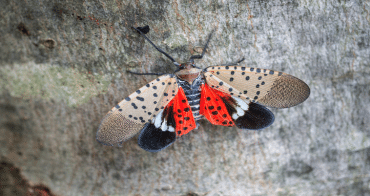
The Spotted Lanternfly continues to be a growing concern across Pennsylvania. Native to Southeast Asia, this invasive pest has become especially problematic in many Northeastern counties.
Adult lanternflies are recognizable by their gray wings with black spots and bright red underwings. In earlier life stages, they appear black with white spots.
Heavy infestations weaken trees by feeding on sap, which can cause stress, reduced growth, and increased vulnerability to tree disease. If you notice clusters of lanternflies on trunks, branches, or nearby plants, early intervention is key to minimizing damage.
Hemlock Woolly Adelgid
Hemlock trees are particularly vulnerable to Hemlock Woolly Adelgid infestations. This pest appears as small, white, cotton-like masses on the undersides of hemlock branches.
Symptoms include:
-
Needle yellowing
-
Needle drop
-
Thinning canopy
-
Branch dieback
Young trees can suffer limb dieback within two years of infestation, while mature trees may decline over a period of 4–10 years if left untreated.
Gypsy Moth (Lymantria dispar)
Gypsy moth pressure can severely impact shade trees, particularly in stressful urban environments. The caterpillars feed on leaves, leading to defoliation.
Healthy trees can typically withstand one defoliation event. However, repeated defoliation weakens trees significantly and can lead to decline or mortality. Stressed trees may not survive even a single heavy infestation.
If you notice large areas of leaf loss early in the season, it’s important to assess the severity quickly.
Emerald Ash Borer
Emerald Ash Borer has devastated ash tree populations throughout Pennsylvania. Early signs can be subtle, but watch for:
-
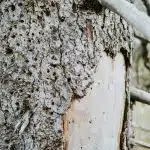
D-shaped exit holes in bark
-
Vertical splits in the trunk
-
Increased woodpecker activity
-
Multiple ash trees declining in the same area
As infestations progress, ash trees may die within 2–4 years. Early diagnosis greatly increases the chances of saving valuable trees.
Cooley Spruce Gall Adelgid
Spruce trees may develop pineapple-like galls on the tips of new growth. These galls eventually turn brown during summer.
Once galls form, management becomes more difficult because the insects are protected inside them. Identifying and treating infestations early in spring improves the likelihood of successful control.
Why Early Detection Matters
Many of these tree health issues can be managed successfully when caught early. Waiting until visible decline occurs often limits treatment options and increases the risk of permanent damage.
Professional tree healthcare involves more than simply spraying or removing affected limbs. Proper diagnosis, monitoring, and targeted treatment plans are essential for long-term tree vitality.
Protect Your Trees This Spring
At Strunk Tree Service, experienced professionals understand the specific challenges facing trees in Eastern Pennsylvania. From invasive pests to fungal tree diseases, they help communities identify risks and implement effective management strategies.
Healthy trees provide long-term value, beauty, and environmental benefits. If you’ve noticed unusual leaf drop, discoloration, insect activity, or general decline, April is the time to schedule an evaluation.
Contact Strunk Tree Service today to learn how proper tree healthcare can keep your trees strong, vibrant, and thriving for years to come.
