

Healthy trees add beauty, shade, and value to your property, but they can also become targets for destructive insects. Many pests feed on leaves, bark, or wood, weakening trees over time and making them more vulnerable to disease, storm damage, and decline. Recognizing the early signs of insect activity and taking preventative measures can help preserve the health of your landscape.
Professional monitoring and timely treatment are often the best ways to keep insect populations under control before they cause lasting damage.
At Strunk Tree Service, our ISA Certified Arborists provide expert tree health evaluations and insect management services throughout the Poconos, Lehigh Valley, Scranton area, and surrounding communities.
TL;DR
- Healthy trees are more resistant to insect damage.
- Early detection helps prevent serious infestations.
- Several invasive insects affect Pennsylvania trees.
- Professional evaluations identify problems quickly.
- Preventative treatments may protect valuable trees.
- Routine tree care supports long-term tree health.
Which Insects Commonly Damage Trees?
Several insects found in Pennsylvania can cause significant harm to trees.
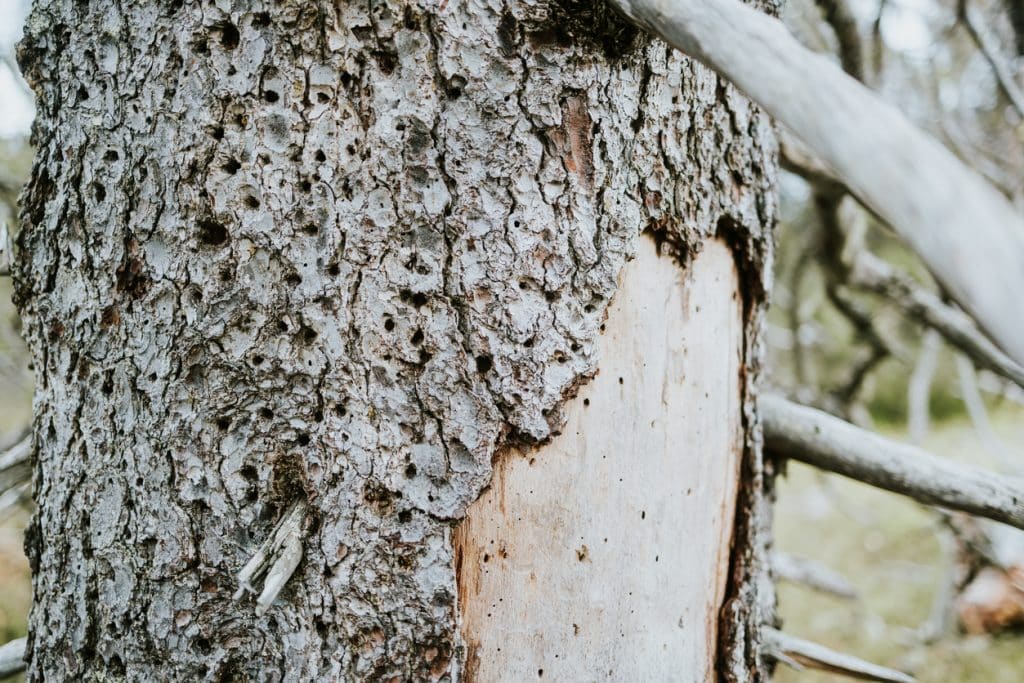
Species such as the emerald ash borer, spotted lanternfly, and spongy moth (formerly known as the gypsy moth) have affected thousands of trees throughout the region. Depending on the insect, damage may include leaf loss, bark injury, tunneling beneath the bark, or gradual tree decline.
Knowing which pests are active in your area is an important part of protecting your landscape.
What Are the Early Signs of Insect Damage?
Many insect problems begin with subtle symptoms.
Premature leaf drop, thinning canopies, holes in leaves, sawdust-like material near the base of the tree, bark splitting, and unusual branch dieback may all indicate insect activity. Because these symptoms can also resemble disease or environmental stress, a professional evaluation is often needed to determine the exact cause.
Early diagnosis increases the likelihood of successful treatment.
How Can Healthy Trees Resist Insects?
Strong, healthy trees are generally better equipped to tolerate environmental stress and certain insect attacks.
Proper pruning, adequate watering during dry periods, healthy soil conditions, and routine inspections all contribute to overall tree health. While even healthy trees can become infested, maintaining good growing conditions helps reduce stress and supports natural defenses.
Preventative care is one of the best long-term investments you can make.
When Should You Call a Certified Arborist?
If you notice sudden changes in your tree’s appearance, it’s best not to wait.
An ISA Certified Arborist can identify insect activity, evaluate the severity of the problem, and recommend the most appropriate treatment. Some infestations can spread quickly, making prompt action important for protecting nearby trees as well.
Professional evaluations help homeowners make informed decisions about tree care.
Can Insect Damage Be Prevented?
While it’s impossible to eliminate every insect, many infestations can be managed or reduced through routine monitoring and preventative care.
Regular inspections allow arborists to detect problems before they become severe, and targeted treatments may help protect susceptible trees from damaging pests. Developing a long-term tree care plan is often the most effective approach.
Consistent maintenance helps keep your landscape healthy throughout the year.
Why Choose Strunk Tree Service?
For more than 35 years, Strunk Tree Service has helped homeowners and property owners protect the health of their trees throughout northeastern Pennsylvania. Our ISA Certified Arborists combine professional expertise with licensed insect and disease management services to diagnose problems accurately and recommend solutions that prioritize the long-term health of your landscape.
Frequently Asked Questions
Some insects can cause extensive damage if left untreated, especially invasive species that attack the tree's vascular system or repeatedly defoliate the canopy. Early detection greatly improves the chances of preserving the tree.
Not every insect requires treatment. A certified arborist can determine whether the activity poses a significant threat and recommend the most appropriate course of action based on the tree's condition.
Annual inspections are beneficial for many properties, while valuable or mature trees may benefit from more frequent evaluations, particularly during periods when destructive insects are active.
