
Trees are an essential part of our landscape, offering beauty, shade, and value to our properties. However, when a tree begins to decline, it can be a concern for homeowners. A “dying tree” can become a hazard if not treated properly, but with the right care, it’s possible to extend its life or prevent further damage. In this blog, we’ll discuss how to identify and care for a dying tree, helping you take the necessary steps to protect both your tree and your property.
Signs Your Tree Might Be Dying
Knowing the signs of a dying tree is the first step in managing the situation. Some common indicators include:
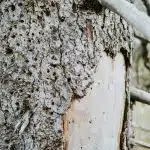
- Brittle or Cracked Bark: If the bark is falling off or cracking, this could be a sign of a weakened tree.
- Dead or Yellowing Leaves: Trees in distress often exhibit unhealthy foliage that’s either discolored or falling off prematurely.
- Unusual Growth Patterns: Trees that aren’t growing as vigorously as they once did might be showing signs of internal distress.
- Visible Pests or Fungi: The presence of insects, like termites, or fungi such as mushrooms near the base of the tree could indicate it’s struggling to thrive.
If you spot any of these symptoms, it’s important to take action sooner rather than later to prevent the issue from worsening.
Assessing the Health of a Dying Tree
Once you notice signs of trouble, it’s crucial to assess the tree’s health. Start by looking at the tree’s overall structure. Is the trunk still solid, or does it feel spongy when pressed? If it’s hollowed out or soft, it’s likely beyond saving. Additionally, examine the roots. If the roots are severely damaged, the tree might be unable to take in the nutrients it needs to survive.
Steps You Can Take to Care for a Dying Tree
If your tree is showing signs of dying but isn’t completely beyond repair, here are some steps you can take to improve its health:
- Prune Dead or Damaged Branches: Removing dead branches can help prevent further damage to the tree and encourage healthy growth. Pruning also improves airflow and sunlight penetration.
- Water Properly: A dying tree might not be getting enough water, or it could be suffering from overwatering. Make sure the tree is watered deeply and consistently, but avoid soggy soil that can cause root rot.
- Fertilize the Tree: Fertilizing your tree can give it the nutrients it needs to revive. A slow-release, balanced fertilizer can help strengthen the tree’s roots and encourage better growth.
- Check for Pests: Sometimes pests or disease can cause trees to decline. Use organic pest control solutions or contact a professional arborist to remove harmful insects.
- Mulch Around the Tree: Adding mulch around the base of the tree can help retain moisture and regulate soil temperature, which is especially important during the winter months.
When to Call a Professional
While it’s possible to care for a dying tree on your own, there are times when it’s best to call a professional. If you’re unsure about the extent of the damage, an arborist can provide expert advice on whether your tree can be saved. Professionals like Strunk Tree Service have the knowledge and tools to assess your tree’s health and take the necessary steps to improve or remove it safely.
Don’t Wait – Act Now
If you suspect your tree might be dying, don’t wait until it becomes a hazard. Early intervention can save your tree or prevent the risk of damage to your property. At Strunk Tree Service, we specialize in tree care and can help you determine the best course of action. Whether it’s pruning, pest control, or full removal, our experienced team is here to assist.
Contact us today for a consultation and let’s ensure your trees remain healthy and safe throughout the winter months and beyond.
